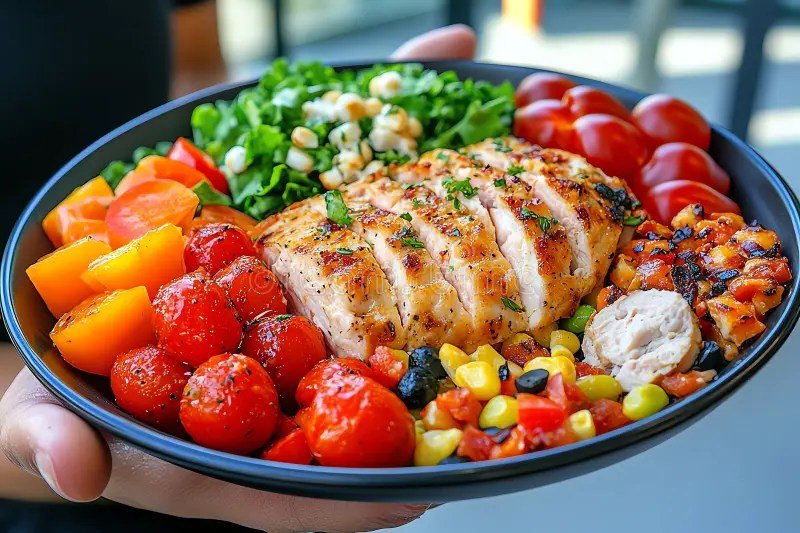
Food is more than just fuel; it's an experience, a comfort, a social ritual. But for many, navigating the culinary landscape can feel like a minefield. Whether you’re managing a chronic health condition, adhering to an ethical lifestyle, or simply have a specific preference, finding the right meal can be a challenge. This is where Meal-Specific Dining Options come into their own, transforming dining from a source of stress into an opportunity for enjoyment and well-being.
Gone are the days when special dietary requests meant a sad, plain salad. Today's food scene is vibrant with choices tailored to nearly every need imaginable, driven by a growing awareness that inclusive dining improves quality of life. From restaurants adapting their menus to dedicated meal delivery services and community support programs, the options are broader and more sophisticated than ever.
At a Glance: Understanding Meal-Specific Dining
- What it is: Food prepared and served to meet specific dietary requirements, health needs, or lifestyle choices.
- Why it matters: Manages health conditions (diabetes, heart disease, allergies), accommodates ethical choices (vegetarian, vegan), and ensures everyone can enjoy meals safely and with respect.
- Common types: Gluten-free, dairy-free, diabetic-friendly, heart-healthy, vegetarian/vegan, renal, mechanically soft, and many more.
- Where to find it: Restaurants (dedicated and adaptable), meal delivery services, community programs like Meals on Wheels, private chefs, and grocery stores.
- Your role: Clear communication is key to a successful, safe, and satisfying meal-specific dining experience.
Why Meal-Specific Dining Options Are No Longer a Niche
The demand for customized food isn't just a trend; it's a reflection of evolving health awareness, diverse lifestyles, and an aging population. Eating out or ordering in should be an enjoyable experience for everyone, not a source of anxiety about hidden ingredients or limited choices.
Think about it: chronic conditions like diabetes and heart disease are prevalent, allergies affect millions, and more people than ever are choosing plant-based or other specialized diets. These aren't fringe groups; they're a significant portion of the dining public. Forward-thinking food providers understand this and are stepping up.
Chef For Hire, for example, champions inclusive dining by meticulously planning menus that cater to a wide spectrum of dietary needs. They exemplify how personalized care can ensure everyone, regardless of their health status or lifestyle, can enjoy nourishing meals. This commitment isn't just about offering an alternative; it's about elevating the dining experience for all.
This shift isn't just about managing restrictions; it's about celebrating variety and ensuring that dining remains a source of joy and connection.
Decoding the Menu: Common Meal-Specific Categories
Understanding the different categories of meal-specific dining is your first step toward confident eating. These options aren't one-size-fits-all; they address unique physiological requirements and personal philosophies.
Navigating Dietary Restrictions & Allergies
For those with allergies or intolerances, even a tiny trace of an offending ingredient can cause serious health issues. This category demands strict attention to detail in food preparation.
- Gluten-Free: This goes beyond a preference; it’s a medical necessity for individuals with celiac disease or severe gluten sensitivity. It means avoiding wheat, barley, and rye. Many restaurants now offer extensive gluten-free menus, from pasta to desserts, often noting potential for cross-contamination.
- Dairy-Free: Essential for those with lactose intolerance or milk protein allergies. This means skipping milk, cheese, yogurt, and butter. Plant-based alternatives like almond, oat, or soy milk are widely available, and many chefs are adept at cooking without dairy.
- Nut-Free, Shellfish-Free, Egg-Free, Soy-Free: These are just a few examples of specific allergen avoidance. The key here is clear communication with kitchen staff about the severity of the allergy. A truly safe establishment will have protocols in place to prevent cross-contamination.
Health Management Through Food
Food is powerful medicine. For many, meal-specific dining isn't just about avoiding harm, but actively promoting health and managing chronic conditions.
- Diabetic-Friendly: These meals focus on balancing carbohydrates, proteins, and healthy fats to help regulate blood sugar levels. Chef For Hire, for instance, carefully limits carbohydrates to around 50g per serving in their diabetic-friendly dishes, making it easier for individuals to manage their condition without constant guesswork. Look for balanced meals with lean proteins, plenty of non-starchy vegetables, and whole grains in moderation.
- Heart-Healthy: The emphasis here is on reducing sodium, unhealthy fats, and cholesterol. Menus designed for heart health often cap sodium intake at about 600mg per meal, as practiced by Chef For Hire. They prioritize lean proteins, fresh vegetables, fruits, and whole grains, often using healthy cooking methods like baking or grilling instead of frying.
- Renal Diet: For individuals with kidney disease, this diet carefully monitors protein, phosphorus, potassium, and sodium intake to protect kidney function. This is a complex diet best managed with professional guidance, but specialized providers can create appropriate menus.
- Low-FODMAP: A diet designed to alleviate symptoms of irritable bowel syndrome (IBS) by limiting certain carbohydrates that can be difficult to digest. This requires avoiding specific fruits, vegetables, grains, and dairy products, often for a period, before reintroducing them.
Lifestyle & Ethical Choices
These options reflect personal values, ethical considerations, or chosen wellness paths. They often represent a proactive approach to diet.
- Vegetarian/Vegan: Vegetarian dining excludes meat, poultry, and fish, while vegan dining also excludes all animal products, including dairy, eggs, and honey. The availability of creative and delicious plant-based meals has exploded, with many places offering enticing meatless alternatives that are far from an afterthought.
- Paleo, Keto, Mediterranean: These are broader dietary patterns. Paleo focuses on foods available to hunter-gatherers; Keto emphasizes very low-carb, high-fat intake; and Mediterranean stresses whole grains, healthy fats, lean proteins, and plenty of fruits and vegetables. Many modern restaurants and meal services can accommodate these frameworks.
Texture & Accessibility Needs
Sometimes, it's not about the ingredients themselves, but how they're prepared or served.
- Mechanically Soft Meals: These are crucial for individuals with chewing or swallowing difficulties (dysphagia), often due to age, dental issues, or medical conditions. As highlighted by Chef For Hire, such meals are thoughtfully prepared to be easy to chew and swallow without sacrificing flavor or nutrition. This can include finely chopped meats, soft vegetables, and pureed dishes.
- Pureed Meals: An even finer texture, where all food is blended to a smooth, uniform consistency, typically for severe swallowing issues.
Beyond the Restaurant Table: Where to Find Meal-Specific Dining
Finding meal-specific dining doesn't just mean scouring restaurant menus. A diverse ecosystem of services exists, ready to cater to your needs, whether you're planning a special night out or need daily meal support.
Restaurants & Eateries
The restaurant industry has largely embraced the demand for specialized options.
- Dedicated Establishments: You'll find entire restaurants built around a specific dietary approach – think vegan cafes, gluten-free bakeries, or allergy-friendly diners. These places offer peace of mind, as their entire operation is designed around your needs.
- Mainstream Restaurants with Adaptable Menus: Many conventional restaurants, from casual eateries to fine dining establishments, are now highly skilled at modifying dishes. They might label menu items with symbols (GF, V, DF) or provide separate allergy menus. When you're looking for Top Knoxville special occasion restaurants, don't hesitate to call ahead and inquire about their ability to accommodate your specific dietary requirements. You'd be surprised how often they're prepared to go the extra mile. For more casual outings, even popular spots offering Knoxville's best weekend brunch are increasingly offering dedicated gluten-free pancakes or dairy-free coffee options.
Meal Delivery Services
The convenience of having custom meals delivered right to your door has made these services incredibly popular.
- Subscription Boxes (Fresh Ingredients): These services send you pre-portioned ingredients and recipes to cook at home. Many now offer filters for dietary preferences like vegetarian, gluten-free, or low-carb.
- Prepared Meal Delivery (Ready-to-Eat): For ultimate convenience, these services deliver fully cooked meals that just need heating. They often specialize in specific diets, such as keto, paleo, or even medically tailored options for conditions like diabetes or heart disease. These are excellent for busy individuals who want to maintain a specific diet without the hassle of cooking.
Community Support Programs
For those facing mobility challenges, financial constraints, or a lack of social support, community programs are lifelines for meal-specific dining.
- Meals on Wheels America: This incredible organization provides far more than just food; it offers a comprehensive support system for eligible seniors. As Meals on Wheels America explains, eligibility typically extends to adults 60 and over who experience mobility challenges that make food shopping, meal preparation, or even socialization difficult.
- Services: Beyond home-delivered meals tailored to various needs, they can offer community dining, nutrition counseling, pet food assistance, transportation, social connection programs, and even minor home repairs. This holistic approach significantly improves quality of life.
- Cost & Application: Meal costs can vary; some are free, others are based on a suggested donation or a sliding scale, depending on your location, income, and need. To get started, you'll generally need to apply, undergo a needs assessment, and potentially provide a referral letter from a doctor or social worker. Your local provider is the best point of contact for exact steps. If you struggle to find a provider, expanding your search or contacting your State Unit on Aging can help.
Catering & Private Chefs
For events, corporate needs, or highly personalized at-home dining, these options offer ultimate customization.
- Private Chefs: Services like Chef For Hire specialize in creating bespoke menus, perfectly tailored to your individual dietary needs, preferences, and health goals. This is ideal for ongoing personal care or special in-home celebrations, ensuring every meal is not only delicious but also perfectly aligned with your requirements.
- Catering Services: When planning a corporate event or even something as specific as a Knoxville Downtown Business Lunch, a professional catering service can design a menu that seamlessly integrates various meal-specific options. They can handle everything from gluten-free entrées to vegan appetizers, ensuring all attendees are well-fed and comfortable.
Grocery Stores & Prepared Foods
Even your local grocery store has become a valuable resource for meal-specific options.
- Clear Labeling: Most stores now clearly label products as gluten-free, dairy-free, organic, or plant-based, making it easier to shop consciously.
- Prepared Food Sections: Many larger supermarkets offer extensive deli and prepared food sections with meal-specific options, often featuring salad bars with allergen information or hot bars with vegetarian and vegan choices.
Your Guide to Navigating Meal-Specific Dining
Successfully enjoying meal-specific dining requires proactive communication and a little preparation. Don't leave your dietary needs to chance.
Before You Go or Order: Do Your Homework
- Research is Your Ally: Always start by checking a restaurant's website or social media. Many have dedicated sections detailing their allergen policies or special menus. Look for terms like "allergy-friendly" or "accommodates dietary restrictions."
- Call Ahead: This is your most powerful tool. A quick phone call allows you to speak directly with the restaurant staff, ideally a manager or even the chef during off-peak hours.
- Be Specific: Instead of saying "I have allergies," say "I have a severe peanut allergy" or "I need a gluten-free meal due to celiac disease."
- Ask Key Questions: Inquire about cross-contamination protocols, dedicated prep areas, and the chef's willingness to modify dishes.
- Confirm Substitutions: Ask what ingredients can be substituted or omitted if a dish isn't naturally compliant.
At the Venue: Communicate Clearly and Courteously
Even if you've called ahead, reconfirm your needs when you arrive.
- Speak to the Right Person: Inform your server immediately. If they seem unsure, politely ask to speak with the manager or chef. This shows you're serious about your health and helps ensure your message gets to the kitchen.
- Reconfirm Your Needs: When ordering, reiterate your specific dietary requirement clearly. For instance, "I need this dish to be gluten-free, so no croutons on my salad, please."
- Be Patient and Polite: Kitchens can be hectic environments. A calm, respectful demeanor will encourage staff to be more attentive and helpful. Remember, they are trying to provide you with a safe and enjoyable meal.
- Confirm Upon Delivery: When your food arrives, a quick, polite check, "Just confirming this is the gluten-free option?" can prevent mistakes.
Red Flags to Watch Out For
While most establishments are eager to help, some may not be adequately prepared. Know when to proceed with caution or choose an alternative.
- Vague or Dismissive Answers: If staff seem unsure, give non-committal answers, or brush off your concerns, it’s a sign they might not have proper protocols in place.
- Lack of Options/Understanding: A menu with no clear labels and staff who can't confidently suggest modifications indicates a potential risk.
- "We Can't Guarantee Anything": While some level of risk is always present, especially with severe allergies, a blanket refusal to even try to accommodate or a statement like this without explanation of their procedures can be a red flag. It might suggest they lack awareness or control over their kitchen processes.
Empowering Yourself for Peace of Mind
- Carry Allergy Cards: Small, laminated cards detailing your allergies or dietary needs in clear, concise language can be invaluable, especially when traveling or in situations where communication might be difficult.
- Bring Backup Snacks: Always have a safe snack or two with you, especially if you're exploring new places. This provides a safety net if options are truly limited.
- Review Ingredients: If you're ordering pre-packaged meal-specific options, always double-check the ingredient list, even if it's labeled "gluten-free" or "vegan." Recipes can change.
Common Myths & Questions About Meal-Specific Dining
The rise of meal-specific dining has also brought about some misconceptions. Let's clear the air.
Myth: Meal-Specific Dining Is Always Bland or Boring
Reality: This couldn't be further from the truth today. With innovative chefs and a greater understanding of ingredients, meal-specific dishes are often incredibly flavorful and creative. Think about the rich spices in a vegan curry, the fresh herbs in a heart-healthy grilled fish, or the inventive gluten-free pasta dishes that rival their traditional counterparts. Chef For Hire's commitment to creating specialized menus with care and respect means deliciousness is never sacrificed for dietary needs.
Myth: It's Impossible to Find Good Options
Reality: While it might have been true years ago, the landscape has changed dramatically. From apps that filter restaurants by dietary needs to dedicated meal delivery services and increasingly adaptable mainstream eateries, options are abundant. It simply requires a bit of research and proactive communication, as outlined above.
Question: Is Meal-Specific Dining Always More Expensive?
Answer: Not necessarily, but it can be.
- Increased Cost Factors: Sometimes, specialized ingredients (like gluten-free flour blends or dairy-free cheeses) can be more expensive for restaurants to source. Additionally, the extra labor involved in preventing cross-contamination or preparing complex dietary modifications can contribute to a higher price point.
- Value for Health: However, for many, the investment is well worth it for the peace of mind, health benefits, and ability to safely enjoy dining experiences.
- Affordable Options: On the flip side, many healthy, meal-specific options like simple grilled vegetables with lean protein might not cost more than a standard dish. Community programs like Meals on Wheels offer incredibly affordable or even free options for eligible individuals, making meal-specific dining accessible regardless of income.
Question: How Can I Be Sure a Restaurant Is Truly Safe for a Severe Allergy?
Answer: Absolute 100% guarantee is difficult in any shared kitchen environment, but you can significantly minimize risk.
- Direct Communication: As discussed, speak directly to a manager or chef. Ask about their specific cross-contamination policies. Do they have separate fryers for gluten-free items? Dedicated prep areas? Do staff receive allergy training?
- Chef's Discretion: A good chef will be honest about their limitations. If they say they truly cannot safely accommodate your allergy, respect that and choose another option. Their honesty is a sign of integrity.
- Trust Your Gut: If something feels off, or you're given vague answers, it's better to err on the side of caution.
The Future of Food: Innovation in Inclusive Dining
The evolution of meal-specific dining is far from over. Exciting innovations promise an even more personalized and accessible culinary future.
- Technology as a Navigator: Imagine apps that not only filter restaurants by dietary needs but also let you view detailed ingredient lists, scan menu items for allergens, or even connect directly with the kitchen before you arrive. Artificial intelligence could soon play a role in personalized dietary recommendations and meal planning, making it easier to stick to complex regimens.
- Sustainability & Plant-Based Growth: The push for plant-based options isn't just about ethics; it's also about environmental sustainability. As more people embrace plant-forward diets, the variety and quality of vegan and vegetarian meal-specific dining options will continue to soar. This also often naturally aligns with heart-healthy and diabetic-friendly approaches.
- Personalized Nutrition: Advances in nutritional science and even DNA analysis could lead to hyper-personalized dietary recommendations, further refining meal-specific dining to an individual's unique biological makeup. This means your meals could be tailored not just to allergies or conditions, but to optimize your specific nutrient absorption and metabolic needs.
Confident Eating: Taking Your Next Steps
Navigating the world of Meal-Specific Dining Options shouldn't feel like a chore; it's an opportunity to take control of your health, explore new flavors, and enjoy food with confidence.
Start by identifying your precise needs. Are you managing a health condition like diabetes, or exploring a plant-based lifestyle? Once you're clear, you can confidently seek out the right resources.
Remember, clear communication is your most valuable tool. Don't be shy about asking questions, calling ahead, or speaking directly with kitchen staff. Businesses that truly value their customers will appreciate your proactivity and work to ensure you have a safe and satisfying experience, whether you're enjoying Knoxville's best weekend brunch or a professionally catered Knoxville Downtown Business Lunch.
From the meticulous planning of private chefs like Chef For Hire to the vital community support offered by Meals on Wheels America, the ecosystem of meal-specific dining is robust and growing. Embrace the possibilities, advocate for your needs, and savor every bite. Your plate, your health, your choice – finally, dining can truly be for everyone.